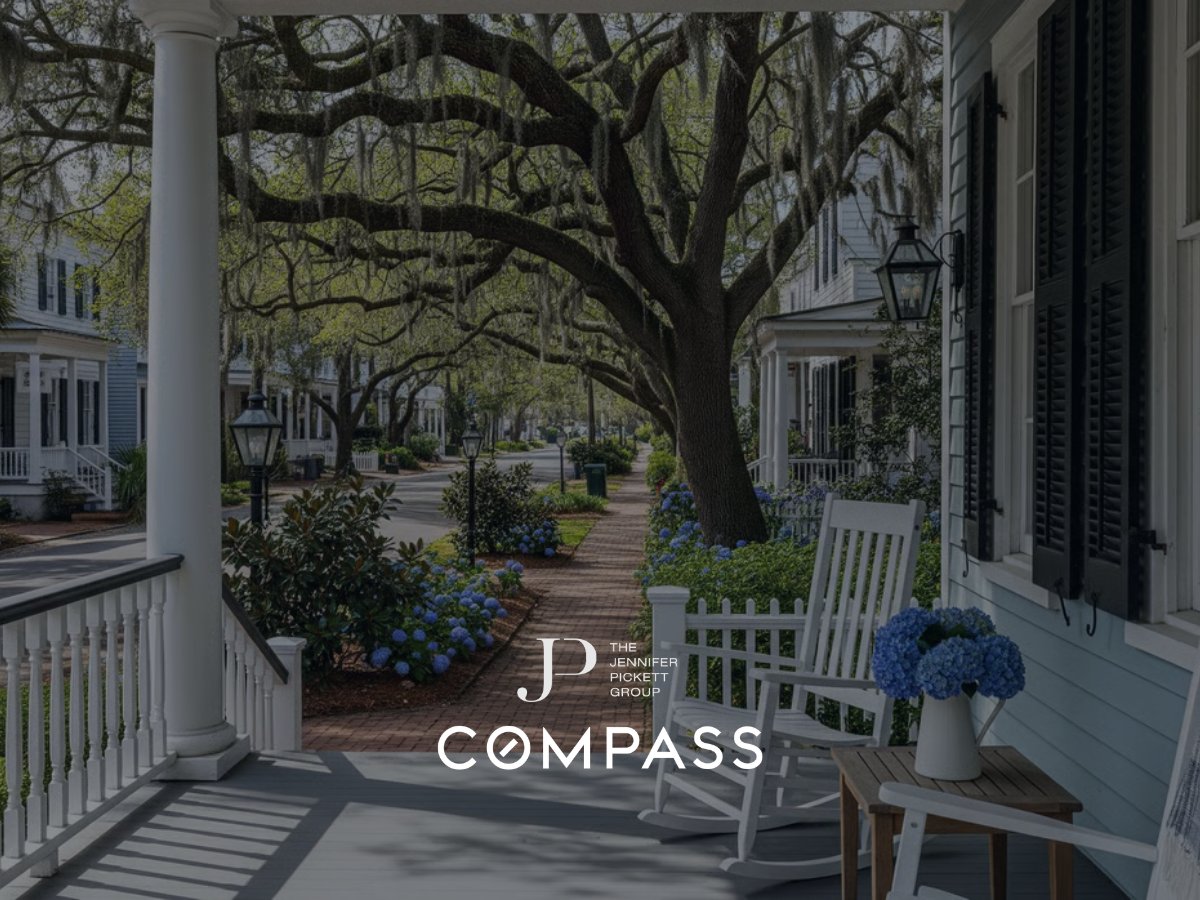
Buying a Home in a Historic District: Restrictions Every Homebuyer Should Know
There is something special about owning a historic home. Maybe it is the original woodwork, an inviting front porch, distinctive windows, an old stone foundation, or simply the character that comes from a home that has been part of a community for generations.
For many Morris County homebuyers, that character is part of the attraction.
But when a property is located within a locally designated historic district, there may be additional rules governing what you can change, renovate, add, or remove. Understanding those rules before purchasing can help you make a more informed decision—and avoid discovering after closing that your renovation plans require additional review or approval.
Morris County has an extensive collection of historic resources. The county has conducted cultural-resource surveys across all 39 municipalities and maintains information on historic sites and districts. (Morris County NJ)
So, what should you know before buying?
🏡 First: What Does “Historic District” Actually Mean?
A historic district is an area that has been identified as having historical, architectural, cultural, or other significance.
Rather than protecting just one property, a historic district can encompass multiple properties and the overall character of the neighborhood.
New Jersey municipalities have the ability to incorporate historic preservation into their planning and zoning regulations. Under the state's Municipal Land Use Law, municipalities can identify, evaluate, designate, and regulate historic sites and districts. (NJDEP)
That distinction is important because historic designation does not mean exactly the same thing in every community.
The rules applicable to a property depend on factors such as:
- The municipality
- The specific historic district
- Whether the property is individually designated
- Whether the property contributes to the district's historic character
- The municipality's historic-preservation ordinance
- Applicable zoning regulations
- Any recorded restrictions or easements
- Whether state or federal approvals are involved
New Jersey's Historic Preservation Office specifically notes that the nature and degree of historic regulation depend on the property, location, and governmental level involved. (NJDEP)
In other words, don't assume that every historic home has the same restrictions.
📜 Is Every Old Home a Historic Property?
No.
This is one of the first misconceptions buyers should clear up.
A house can be 100, 150, or even 200 years old without automatically being subject to local historic-preservation restrictions.
Likewise, a property may be listed on the New Jersey Register of Historic Places or the National Register of Historic Places without that listing alone preventing a private homeowner from renovating, selling, or even demolishing the property.
New Jersey's Historic Preservation Office states that listing on the New Jersey or National Registers does not, by itself, place restrictions on private property owners. Local zoning laws and other circumstances can create restrictions, however. (NJDEP)
This means buyers need to determine what type of historic designation actually applies to the property.
A listing agent's description is a starting point—not a substitute for reviewing the applicable municipal records and regulations.
🏛️ What Is a Historic Preservation Commission?
Many municipalities with local historic-preservation programs have a Historic Preservation Commission (HPC).
An HPC is established and defined by local ordinance. Its responsibilities and authority therefore vary depending on the municipality. (NJDEP)
In some communities, the commission may review applications involving exterior alterations, additions, new construction, demolition, or other changes that could affect the historic character of a property or district.
For example, Morris County's directory identifies Historic Preservation Commissions in communities including Boonton, Chatham Borough, Morris Township, and Morristown. The county describes Morristown's commission as a municipal body that reviews development applications and advises the town on preservation matters. (Morris County NJ)
For a buyer, the important question isn't simply:
“Does this town have a Historic Preservation Commission?”
The better question is:
“What does this commission require for this particular property?”
🪟 Can You Replace the Windows?
Potentially—but don't assume it will be as simple as replacing windows on a non-historic property.
Windows can be one of the most visually significant features of an older home. Their size, proportions, materials, trim, placement, and overall appearance can contribute to the architectural character of a building.
If the property is subject to local historic-preservation review, a proposed window replacement may need to go through the applicable municipal process.
That doesn't necessarily mean you have to keep every original window forever.
It means that the replacement may need to meet specific standards or receive approval.
This is an important consideration for buyers of older homes because windows can represent a significant future maintenance or renovation expense.
Before purchasing, ask:
- Are the existing windows original?
- Have they already been replaced?
- Were previous replacements approved?
- Are future replacements subject to review?
- Are there design guidelines for replacement windows?
- Does the municipality distinguish between visible and non-visible alterations?
These questions can help you understand what ownership may look like beyond the initial purchase.
🚪 What About Doors, Porches, and Exterior Features?
Windows aren't the only elements that may matter.
Historic districts may place particular importance on features that contribute to the property's exterior appearance, such as:
- Front doors
- Shutters
- Porches
- Columns
- Railings
- Trim
- Decorative details
- Siding
- Roofing
- Exterior lighting
- Masonry
- Fences
- Other visible architectural elements
The exact requirements vary by municipality.
A buyer who loves the original character of a property may appreciate these protections. Another buyer who wants to completely modernize the exterior may find the process more restrictive.
Knowing which type of buyer you are can be important.
🏗️ What If You Want to Add an Addition?
This is one of the biggest questions to ask before buying.
Maybe you're purchasing a historic home because you love the property—but you already know you will eventually want:
- A larger kitchen
- A family room
- A first-floor addition
- A second-story expansion
- A mudroom
- A larger primary suite
- A garage
- An enclosed porch
Before assuming that any of these projects will be possible, investigate the property's historic and zoning requirements.
An addition may have to satisfy several layers of regulations, including:
Historic preservation requirements
Zoning requirements
Setback requirements
Lot coverage requirements
Height restrictions
Building-code requirements
And potentially other municipal requirements.
Historic-preservation review and ordinary zoning review are not necessarily the same thing.
A project may need to satisfy both.
🏚️ What If You Want to Tear the House Down?
This question is particularly important for buyers purchasing property for redevelopment.
A buyer may see a large lot with an older structure and think:
“We'll remove the existing house and build something new.”
That plan should never be assumed.
If a property is located within a locally regulated historic district, demolition may be subject to additional requirements or review.
The feasibility of redevelopment should therefore be investigated before making an offer, not after closing.
If your primary goal is to build a new home, ask specifically about:
- Demolition requirements
- Historic designation
- Contributing status
- Zoning
- Setbacks
- Lot coverage
- Building envelope
- Required approvals
- Potential hearings
- Applicable design standards
A beautiful property is not necessarily the same thing as a property that can be redeveloped exactly as you envision.
🧱 What Does “Contributing” Mean?
You may encounter another term while researching a historic district:
Contributing property
A contributing property is generally a property that contributes to the historic character or significance of a district.
Not every building within a historic district necessarily has the same historical significance. Some may be considered contributing, while others may be classified differently.
That distinction can matter when considering alterations or redevelopment.
If you're buying a property within a historic district, ask whether the property has been identified as:
- Contributing
- Non-contributing
- Individually significant
- Part of a designated historic site
- Within a locally designated district
- Within a state or National Register district
Don't rely on the age of the house alone.
🎨 What About Painting the House?
Even something as ordinary as changing an exterior color can be worth investigating.
Historic-preservation rules are generally concerned with maintaining the character of historic resources, but the specific rules vary considerably by municipality.
Some districts may have guidelines concerning exterior appearance, materials, or architectural compatibility.
Before assuming that you can make any exterior change after closing, find out what the local ordinance and guidelines actually say.
This is especially important if you're purchasing a property because you already have a major exterior renovation in mind.
🌳 Can Landscaping Be Restricted?
Possibly.
Many buyers think historic preservation applies only to the house itself.
But historic districts can also be concerned with the relationship between buildings, streetscapes, yards, fences, landscaping, and other site features, depending on the local ordinance.
Before making major changes, ask whether the local rules address:
- Fences
- Walls
- Gates
- Driveways
- Significant landscape features
- Site improvements
- Exterior structures
- Visibility from public streets
Again, this doesn't mean that every landscaping project requires approval.
It means buyers should check before assuming.
🏠 What About Garages, Sheds, Pools & Other Structures?
This is another area where buyers should think about the future.
Maybe the property has enough land for:
🏊 A swimming pool
🚗 A detached garage
🏡 A guest structure
🛠️ A workshop
🌿 A greenhouse
🏠 An accessory structure
Whether you can add one of these improvements depends on much more than available land.
You may need to consider:
- Zoning
- Setbacks
- Lot coverage
- Historic-preservation requirements
- Building codes
- Stormwater requirements
- Utility requirements
- Other municipal regulations
A large backyard doesn't automatically mean every improvement is permitted.
🔨 What About Interior Renovations?
This is where the rules can be different.
Local historic-preservation review generally focuses on the elements that contribute to a property's historic character, particularly exterior changes under local regulations. New Jersey guidance notes that interior work is generally not subject to local Historic Preservation Commission review under those preservation rules. (NJDEP)
However, that does not mean interior renovations are permit-free.
Normal requirements may still apply to:
- Electrical work
- Plumbing
- Structural changes
- HVAC
- Fire safety
- Building code
- Egress
- Basement conversions
- Structural alterations
So if you're planning a major interior renovation, ask the municipality and your appropriate professionals which approvals are required.
📐 Don't Forget About Zoning
Historic preservation is only one piece of the homebuying puzzle.
A historic property is still subject to the applicable zoning regulations.
Zoning can affect things such as:
- How much of the lot can be developed
- Setbacks
- Building height
- Accessory structures
- Parking
- Uses
- Additions
- Pools
- Garages
- Lot dimensions
Morris County provides access to municipal master plans, ordinances, and development regulations, but the county specifically advises residents to contact the municipality for the official version of the applicable documents. (Morris County NJ)
That's an important distinction for buyers.
Don't rely on an old PDF, online summary, or third-party website when you're making a major purchase decision.
Verify the current requirements with the municipality.
📋 What About Previous Renovations?
Here's an important question that can easily be overlooked:
Were the home's previous renovations properly approved?
Imagine you purchase a historic home and later discover that:
- The windows were replaced without required approval
- An addition doesn't match the municipal records
- A porch was enclosed without the necessary permits
- An exterior structure was added without approval
- Previous work did not comply with applicable regulations
That could create complications when you try to renovate the property yourself.
Before closing, consider reviewing available municipal records and asking appropriate professionals to help determine whether previous improvements were properly documented.
📜 What About Deed Restrictions and Preservation Easements?
Historic-district rules aren't the only restrictions a buyer should investigate.
A property could also be subject to a recorded preservation easement or another deed restriction.
A preservation easement is different from simply being located within a historic district. It can create legally enforceable obligations concerning the property's preservation and may bind future owners.
New Jersey's Historic Preservation Office notes that preservation easements can be recorded interests in property and may remain applicable as ownership changes. (NJDEP)
That's why reviewing the title and recorded documents is an important part of due diligence.
Your real estate attorney and title professionals can help identify restrictions that may affect the property.
💰 Could Historic Restrictions Increase Renovation Costs?
They can, depending on the property and the project.
Historic preservation does not automatically mean a renovation will be more expensive.
However, a project may involve:
- Additional professional design work
- Historic-compatible materials
- Specialized craftsmanship
- Additional municipal review
- Longer planning timelines
- Preservation requirements
- More detailed documentation
For example, a homeowner replacing a standard modern window may have a different range of options than someone renovating a historically significant façade.
This doesn't necessarily make the property a bad investment.
It simply means buyers should budget based on the actual property and their intended plans.
⏰ Could Historic Review Affect Your Renovation Timeline?
Potentially.
One of the biggest mistakes a buyer can make is budgeting only for the physical construction time.
If a project requires municipal review, there may be additional steps before construction can begin.
Depending on the municipality and project, that could include:
- Developing plans
- Confirming zoning compliance
- Determining whether historic review is required
- Submitting an application
- Appearing before a commission or board
- Making revisions
- Obtaining approvals
- Applying for building permits
- Beginning construction
The actual process varies by municipality and project.
If you are buying specifically because you plan to renovate immediately, investigate the approval process before closing.
🗺️ How Can You Find Out if a Property Is in a Historic District?
Start with the municipality.
Morris County provides maps and historic-resource information, including a dedicated historic-sites-and-districts resource. The county's historic preservation materials also include municipal surveys and historic maps covering all 39 municipalities. (Morris County NJ)
You can also ask:
- The listing agent
- The municipal zoning office
- The municipal planning office
- The Historic Preservation Commission
- Your attorney
- Your title company
The most important thing is to determine the official status of the specific property.
🔎 A Historic Homebuyer's Due-Diligence Checklist
Before purchasing a home in a historic district, consider asking these questions:
Property Status
☐ Is the property located within a locally designated historic district?
☐ Is it individually designated?
☐ Is it listed on the New Jersey Register?
☐ Is it listed on the National Register?
☐ Is it considered a contributing property?
Municipal Regulations
☐ Does the municipality have a Historic Preservation Commission?
☐ What work requires historic review?
☐ Are there design guidelines?
☐ Are exterior alterations regulated?
☐ Are additions subject to review?
☐ Is demolition regulated?
Future Plans
☐ Can you add an addition?
☐ Can you build a garage?
☐ Can you install a pool?
☐ Can you replace the windows?
☐ Can you change the exterior materials?
☐ Can you alter the porch or façade?
☐ Can you construct a new building?
Property Records
☐ Are previous additions properly documented?
☐ Are there open permits?
☐ Are there recorded deed restrictions?
☐ Is there a preservation easement?
☐ Are there other restrictions affecting the property?
Financial Planning
☐ Could historic requirements affect renovation costs?
☐ Could additional approvals affect your timeline?
☐ Are specialized materials or contractors likely to be necessary?
🏡 Is Buying in a Historic District Right for You?
Ultimately, it comes down to your priorities.
A historic district may be an excellent fit if you appreciate:
✨ Architectural character
✨ Established neighborhoods
✨ Historic streetscapes
✨ Original craftsmanship
✨ Mature landscapes
✨ Community identity
✨ Preservation of distinctive architecture
On the other hand, you may want to think carefully if your plans involve:
🏗️ Major additions
🏚️ Demolition
🏠 Rebuilding
🪟 Extensive exterior changes
🏡 Significant property redevelopment
The important thing isn't whether historic restrictions are “good” or “bad.”
It's whether they fit your plans for the property.
🌿 Why Historic Districts Can Be a Strength
It's easy to look at preservation rules only as limitations, but there's another side to the conversation.
The very features that create preservation requirements can also contribute to the character that attracts buyers to a community.
Historic districts can help maintain architectural continuity and preserve distinctive buildings and streetscapes.
Morris County places significant emphasis on preserving its historic resources. In 2026, the county approved $4.92 million in Historic Preservation Trust Fund grants supporting 35 historic projects across 20 municipalities. (Morris County NJ)
That investment reflects the broader importance of historic preservation throughout the county.
For some buyers, the ability to live in a neighborhood where historic character is intentionally maintained is a benefit—not a drawback.
The Bottom Line
Buying a home in a historic district can be a wonderful opportunity, but it requires a little more research before you commit.
The biggest takeaway is this:
Don't assume you know the restrictions simply because a home is described as “historic.”
Determine what designation applies, what municipality regulates the property, what the local ordinance requires, and whether your future plans are compatible with those requirements.
If you want to replace the windows, build an addition, install a pool, change the exterior, add a garage, or make another significant improvement, investigate the requirements before you buy.
And remember that a property being listed on the New Jersey or National Register does not, by itself, impose local restrictions on a private owner. Local ordinances, zoning, recorded restrictions, easements, and state or federal involvement can create different obligations. (NJDEP)
A little research before making an offer can help you understand not only the home you're buying today, but the home you will be able to create tomorrow.
Thinking about buying a historic home in Morris County? Work with the appropriate real estate, legal, title, and municipal professionals to verify the property's specific restrictions and your renovation plans before making a final decision. 🏡🔎
This article is intended for general educational purposes only and is not legal, zoning, architectural, tax, or preservation advice. Historic-preservation rules vary by municipality and property. Buyers should verify current requirements with the applicable municipality and qualified professionals before purchasing or altering a property.