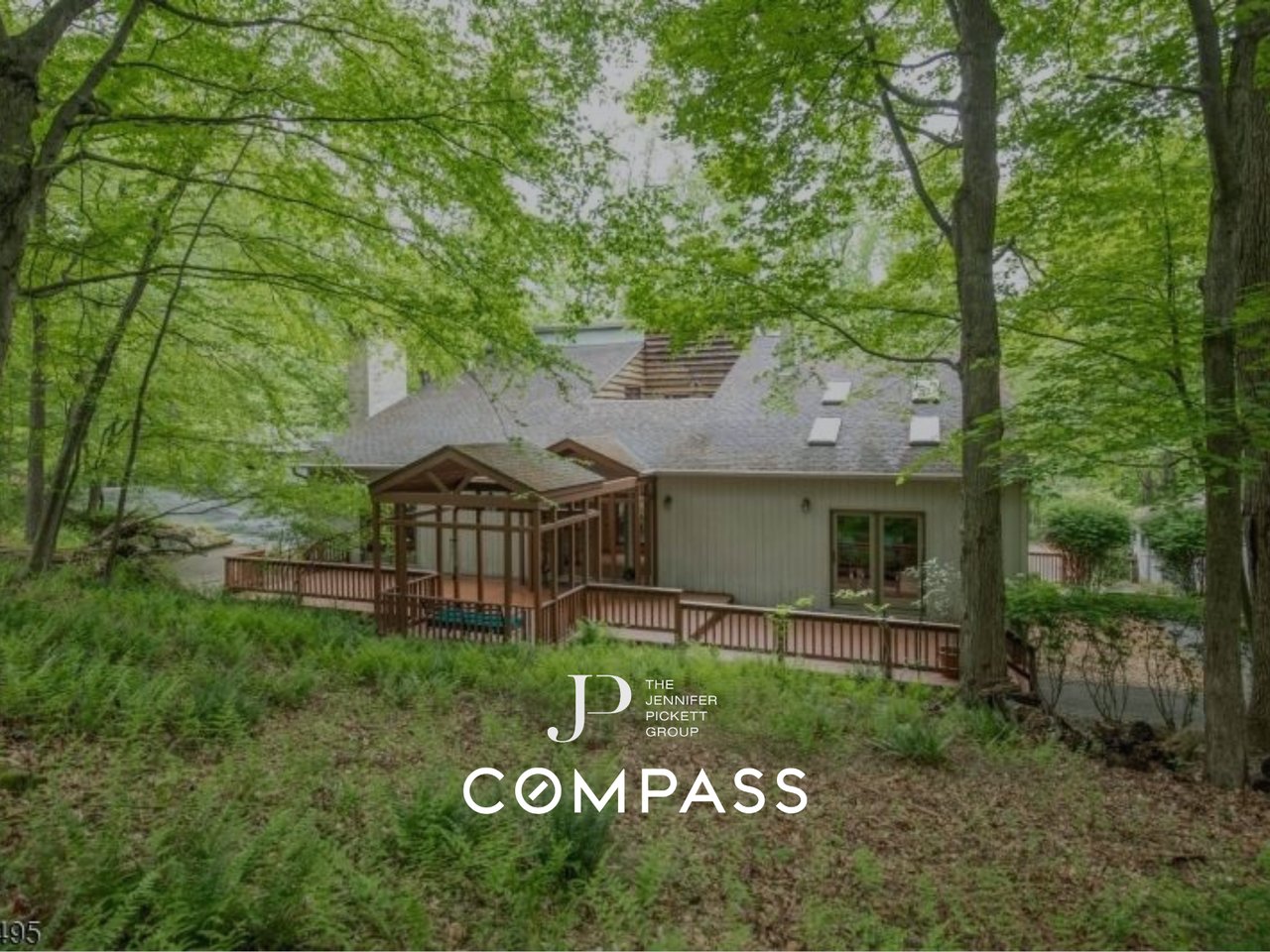
When searching for a home in Morris County, buyers often focus on the kitchen, bedrooms, yard, and neighborhood. But if you're considering a property in a more rural or semi-rural area, there are two important features you may encounter: a private well and a septic system.
For buyers relocating to Morris County from New York City or more urban areas of North Jersey, this can be unfamiliar territory. Understanding how these systems work—and what to investigate before purchasing—can help you make a more informed decision.
Does Every Morris County Home Have Public Water and Sewer?
No. Morris County includes communities and properties that are served by public water and sewer as well as properties that rely on private wells and individual septic systems. The county maintains wastewater management information and sewer service area maps because service varies by location.
That means two homes in the same general area can have very different utility setups.
Before making an offer, ask whether the property is connected to:
- Public water
- Public sewer
- A private well
- A septic system
What Should Buyers Know About Private Wells?
A private well supplies groundwater directly to the property instead of receiving water from a public utility.
New Jersey's Private Well Testing Act requires testing of certain private wells when a property is sold. The testing covers specific contaminants, and the buyer and seller must receive and review the results before closing.
The test is performed on untreated groundwater, even if the home has a filtration or water-treatment system.
NJDEP recommends regular testing of private wells because water can appear clear and normal while still containing contaminants that aren't visible or detectable by taste or smell.
What About Septic Systems?
A septic system handles wastewater when a property isn't connected to a public sewer system.
A septic system generally includes a tank and an area where wastewater is treated and dispersed into the soil. Its condition matters because repairs or replacement can become a significant expense.
NJDEP recommends that prospective buyers obtain a septic inspection before purchasing a property served by a septic system. An inspection can help determine whether the system is functioning properly and whether it may accommodate future plans such as an addition, deck, or swimming pool.
What Should You Ask Before Buying?
If you're considering a home with well water or septic, ask questions early in the process.
Consider asking:
- When was the well last tested?
- Are current well-test results available?
- Is there a water-treatment or filtration system?
- When was the septic system installed?
- When was it last inspected or serviced?
- Where is the septic system and disposal area located?
- Are there records or permits available?
- Could the system accommodate future improvements?
- What maintenance has been performed?
The answers can help you understand both the property's current condition and its potential future costs.
What Happens If a Well Test Doesn't Meet a Standard?
A failed well test doesn't automatically mean the property cannot be sold. NJDEP explains that the law is primarily intended to ensure buyers and sellers know the condition of the untreated well water. Any treatment or remedy may be negotiated between the parties, depending on the circumstances.
This is one reason it's important to review the actual test results rather than making assumptions based on the word "well."
Why This Matters When Relocating to Morris County
One of the things that makes Morris County attractive is the variety of communities and property types available. You can find walkable downtown neighborhoods, established suburban communities, wooded properties, larger lots, and more rural homes.
For some buyers, a private well and septic system are simply part of the lifestyle they want—particularly if they're looking for additional land, privacy, or a more rural setting.
For others, public utilities may be a priority.
Neither option is automatically better. The important thing is understanding what you're buying and whether it fits your lifestyle, budget, and long-term plans.
Jennifer's Local Tip
When you're touring homes in Morris County, don't just ask, "Do I love this house?"
Ask, "How does this property actually work?"
Look beyond the finishes and consider the utilities, maintenance, lot, neighborhood, commute, and future plans. Those details can have just as much impact on your experience as the kitchen countertops or number of bedrooms.
If you're relocating from NYC or another part of North Jersey, I can help you understand the differences between Morris County communities and the types of properties you'll encounter.
Thinking About Buying in Morris County?
Whether you're looking for a historic home in a walkable downtown, a suburban property with public utilities, or a larger property with a private well and septic system, Morris County offers a wide range of options.
The key is finding the property and community that fit the way you want to live.
If you're considering a move to Morris County, I'd love to help you explore your options and find a home that works for both your lifestyle and your long-term goals.